Skip to content

Ballerinas: Positions
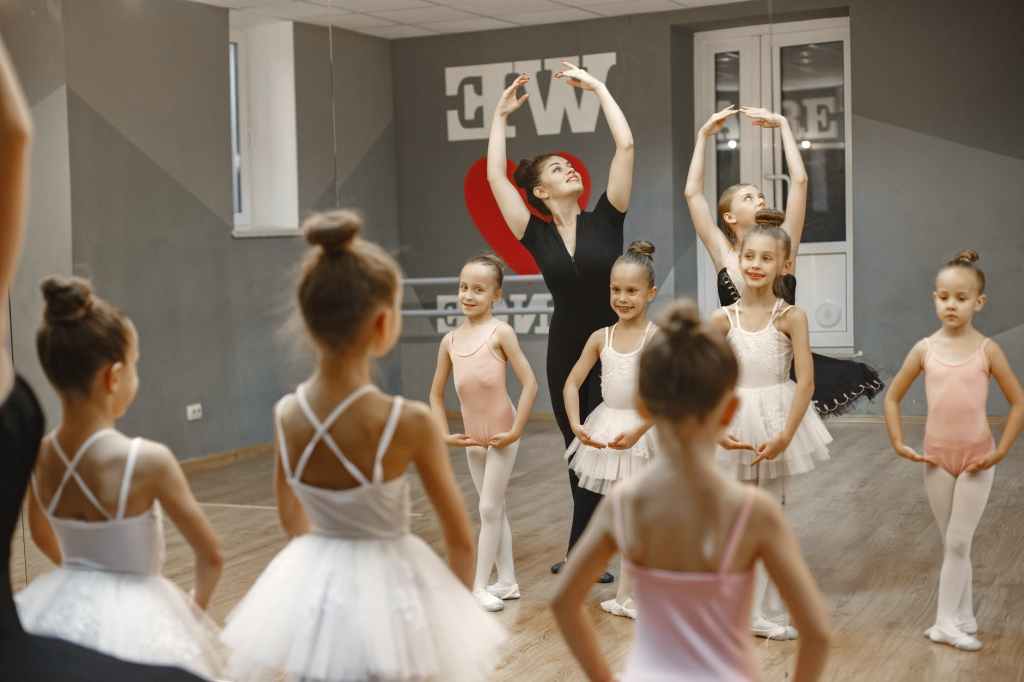
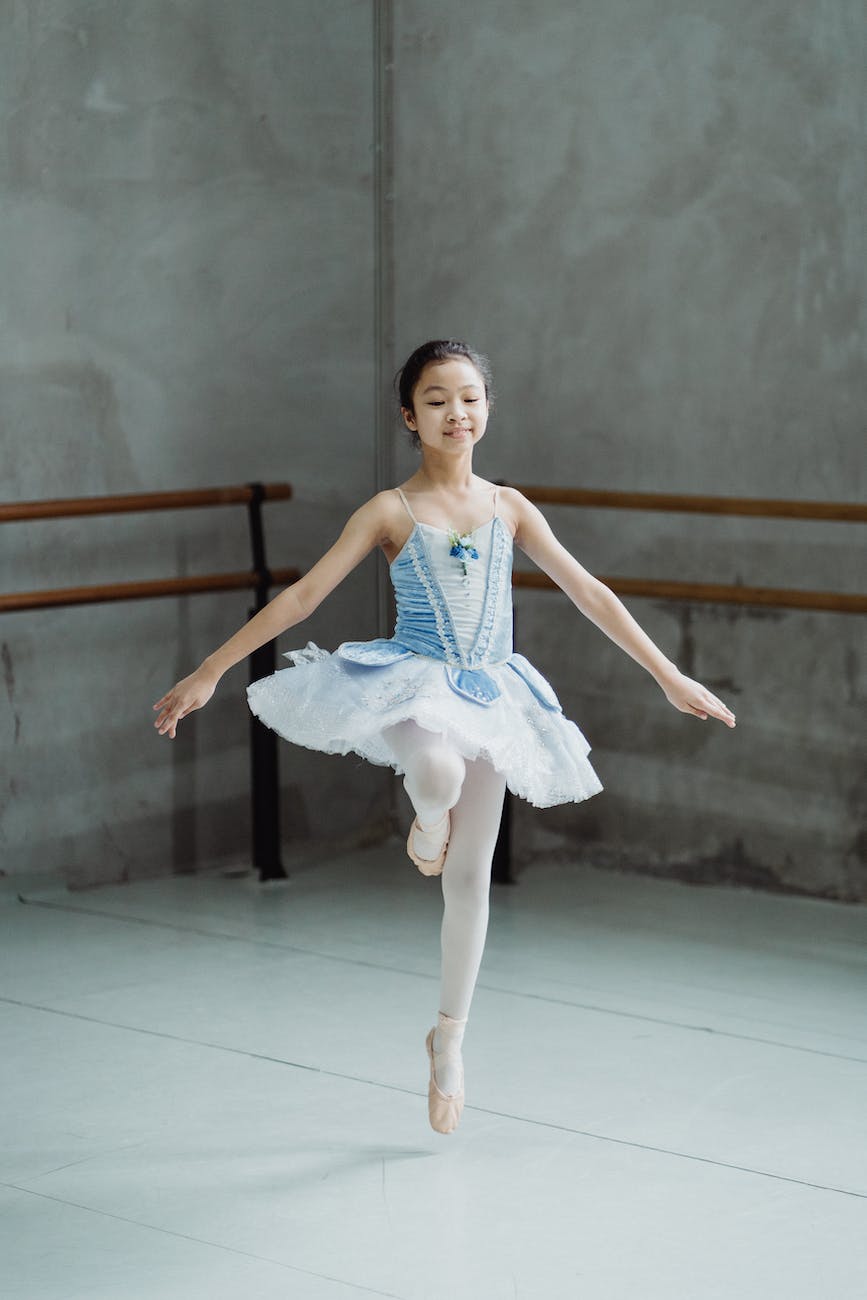
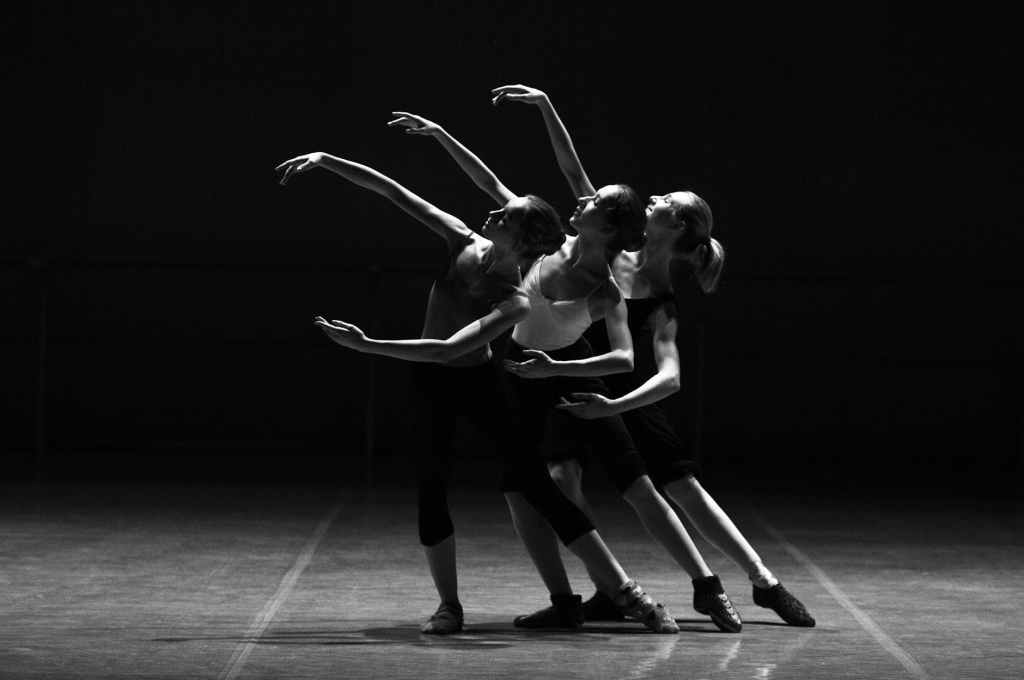
Photo by Gustavo Fring on Pexels.com

All the movements in ballet come from five positions. The basic ballet positions for arms and feet are simply known as “First Position”, “Second Position”, “Third Position”, “Fourth Position” and “Fifth Position”. All basic ballet moves start from and end in one of these five positions or a slight variation of. For the ballerina:

First Position: Hold your arms in a circle in front of your ribs and turn your legs out from the top of your legs down to your heels. This is the easiest ballet position for the feet. Second Position: Open your arms to a rounded position with the hands lower than the shoulders and with a space between your feet as wide as your hips. Make sure your legs are still turned out. The position of your feet is similar to “First Position” except your feet are farther apart. Third Position: One arm stays in “Second Position” and the other arm moves to “First Position”. Your legs should be together with the front foot halfway across the back foot. This position is a bit difficult for beginners to perform. Fourth Position: Lift the front arm into a round position over your head. Slide the front foot forward so there is a space between your legs. Fifth Position: Move both arms in a circle above your head. The fingers on both hands don’t touch each other. Cross your front foot so only the big toe of the other foot can be seen and the feet are touching. This one is the most widely recognized position in ballet. Beverly

A Ballerina Book: Angelina Ballerina – “Angelina’s Pet”

“Angelina’s Pet” is a book in the “Angelina Ballerina” series of children’s books. It was published in 2015 by Grosset & Dunlap, Penguin Young Readers Group.

One day when Angelina and her best friend, Alice, are walking home from ballet class, they see a bird in the park that Angelina thinks would make a great pet. She rushes home to ask her mom if she can get a pet and her mom says she thinks she is old enough for the responsibility of a pet and to think of what kind of pet she would like. When Angelina sees a butterfly, she remembers the butterfly dance she did at ballet school and thinks the butterfly would make a great pet. She follows it everywhere until the butterfly flutters away. Will Angelina ever find the right pet? This was a cute story. I love the sprinkle of ballet terms throughout this book and how colorful the illustrations are. Beverly

Ballerinas: Rises and Relevés

Rises and relevés (“raise up”) show a ballerina’s balance and strength. Relevé is a classic ballet move and it is a movement in which the dancer rises on the tips of the toes. It begins with a demi-plie’ so the ballerina can push up from the floor and then rises up into demi-pointe (on the balls of her feet) or en pointe (on the toes), either on one foot or both feet. For a rise, the ballerina will stretch her knees and push up from the floor with straight legs. She lifts her heels but keeps her toes on the floor. For a relevé, the ballerina will pull her legs and toes toward each other with a spring to reach position. Her toes will move to come underneath her.

Rises and relevés are part of basic ballet and are very important when the ballerina does many dancing tricks and turns. They are pretty simple if done in the right way. Beverly

A Ballerina Book: Angelina Ballerina – “Angelina’s Baby Sister”

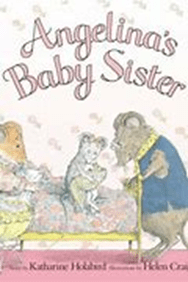
“Angelina’s Baby Sister” is a book in the “Angelina Ballerina” series of children’s books. The story is by Katharine Holabird and the illustrations are by Helen Craig.

In this “Angelina Ballerina” story, Angelina is excited there will soon be a new baby in the family. When Miss Lilly gives Angelina a beautiful China statue as a prize at ballet school, she suggests Angelina make up a dance to welcome the new baby. Angelina is happy to come home to a new baby sister, Polly. Her happiness turns to sadness though when no one gives her the attention she needs to show them her statue and dance. This is a classic story told with incredibly detailed illustrations. Beverly

Ballerinas: Pas De Chat

Pas de chat  (pah duh shah) is French for “cat’s step” and is a classical ballet term meaning “Step of a Cat” since the step resembles a cat-like jump. Pas de chat is a leap from one foot to the other before the feet are drawn up and the knees are bent at the level of the opposite knee to form a diamond with the legs. To finish a pas de chat, the ballerina should land lightly like a cat, one leg after the other.

Pas de chat is a very quick step that usually happens on one count of music. It is a quite difficult move because the legs lift quickly one after the other. The first known use of pas de chat was in 1914. Beverly

A Ballerina Book: “B is for Ballet”

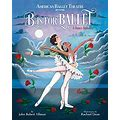
American Ballet Theatre presents this book, “B is for Ballet” by John Robert Allman and illustrations by Rachael Dean. It was published in 2020 by Doubleday, an imprint of Random House.

This is a hardcover book with a “Dance Alphabet”: “A is for the arabesque….”, “B is for the ballet barre, where dancers learn to balance….” and so on through the alphabet. Most of the illustrations also have a caption in small print somewhere on the page of who the illustration of the ballet dancer and sometimes their dance is based on. This is a beautiful book of illustrations and text all about ballet. I even learned new ballet words that I hadn’t heard before. In the back of the book is lists of ballet terminology, ballets, choreographers and dancers that were included in the book. Beverly  

Ballerinas: Barre Work

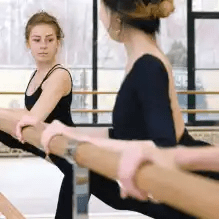
You will find a “barre” in most ballet studios. Ballerinas hold on to this handrail to support them while they practice positions. The barre can be permanently attached to the walls or freestanding so that it can be moved into position and cleared away to free up central floor space. Barres are used extensively in ballet training and warm up exercises. Such exercises are commonly referred to as “barre work”. Even experienced ballerinas do barre work at the start of each class. Barre work prepares the ballerina for dancing during the second part of the class. It establishes correct placement, and it develops core and leg strength.

There are also barre workout classes that use a combination of postures inspired by ballet, yoga and Pilates. In these classes, the barre is used as a prop to balance while doing exercises for isometric strength training. Beverly

A Ballerina Book: “Ballerina Rosie”

“Ballerina Rosie” is written by Sarah Ferguson, The Duchess of York, and illustrated by Caldecott Honor artist Diane Goode. This is a picture book about Rosie, who loves to dance. Her mother decides it is time for Rosie to begin ballet school. When Rosie starts ballet classes, she learns that it not only takes practice and hard work but also self-confidence.

I loved this book. It was a little long but told a great story about dreams and working hard to make those dreams successful. My favorite part though was when Rosie demonstrated her version of a few ballet moves. The illustrator brought Rosie to life with her drawings and the author with her words. Beverly

Ballerinas: Pas de bourrée

Pas de bourrée is a classical ballet term meaning “beating steps”. It takes its name from a 17th century French dance called bourrée. It is a transitional movement in ballet in which the dancer transfers body weight quickly from foot to foot. It is usually executed on the points of the toes and has three quick little steps in the middle of the move that must be fitted into one count of music.

There are many different pas de bourrée. The name of each one tells the dancer how to move her feet. For example, in pas de bourrée derriére, the dancer closes the same foot behind her every time and in pas de bourrée piqué, the dancer picks up or lifts her legs. The pas de bourrée is also a very common step in jazz dance and is used for transitions or traveling. Beverly

A Ballerina Book: “Ballet Dancing”

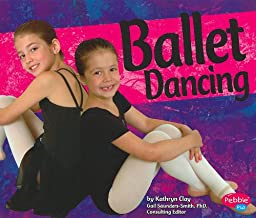
“Ballet Dancing” by Kathryn Clay was published by Capstone Press in 2010. It is a Pebble Plus “Dance, Dance, Dance” book.

This book is filled with photo images of ballet dancers instead of illustrations. “Ballet Dancing” is a cute, hardcover book that tells all about ballet: what to wear, the five positions of ballet, ballet moves and even a glossary at the back of the book that explains ballet terms. It is geared to early readers and children who are 4–8 years old. I loved seeing all the ballet words throughout the book. Beverly