Skip to content

Ballerinas: Gallops

Photo by Pixabay on Pexels.com

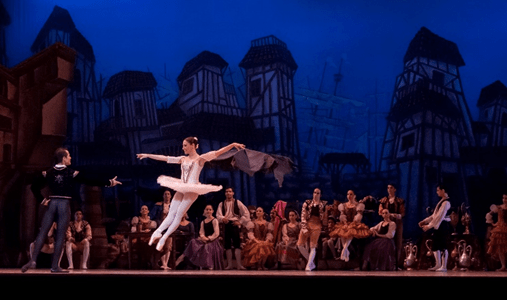
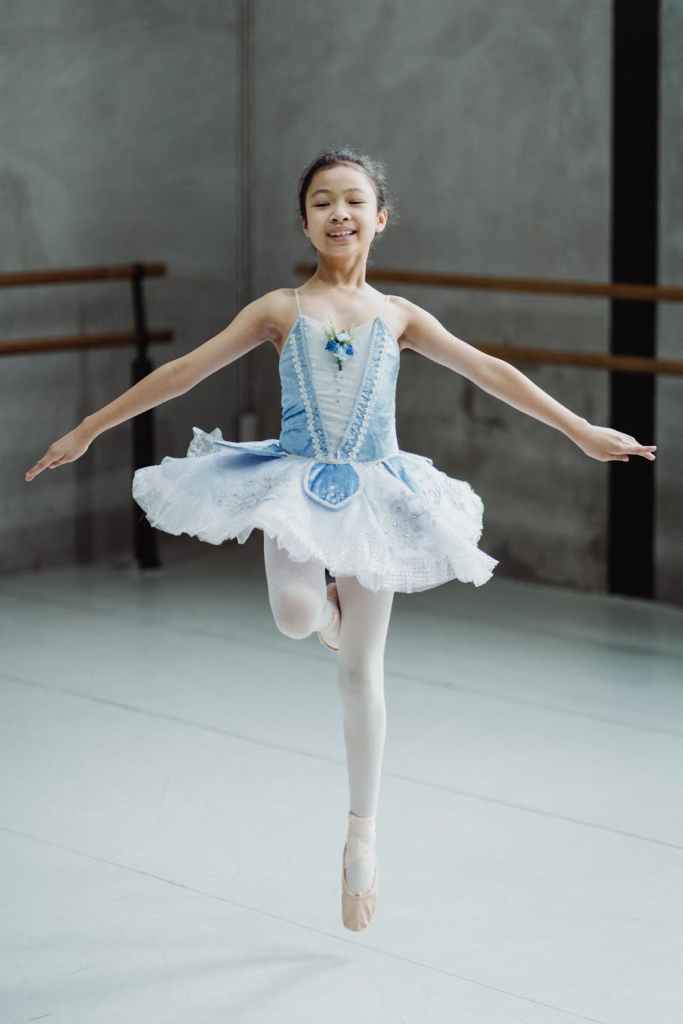
The gallop (galop) in ballet is a traveling step where the legs and feet are brought together in the air. It was named after the fastest running gait of a horse. The “galop” was often used in classic ballet. There is even a popular dance in the first act of “The Nutcracker” that is the “Children’s Galop”.

Today in ballet, a “gallop” is a quick jump with a little spring on it. The legs and feet should be stretched and straight together in the air. A ballerina may have a sequence of gallops before combining them with other steps. Beverly

A Ballerina Book: Angelina Has the Hiccups!

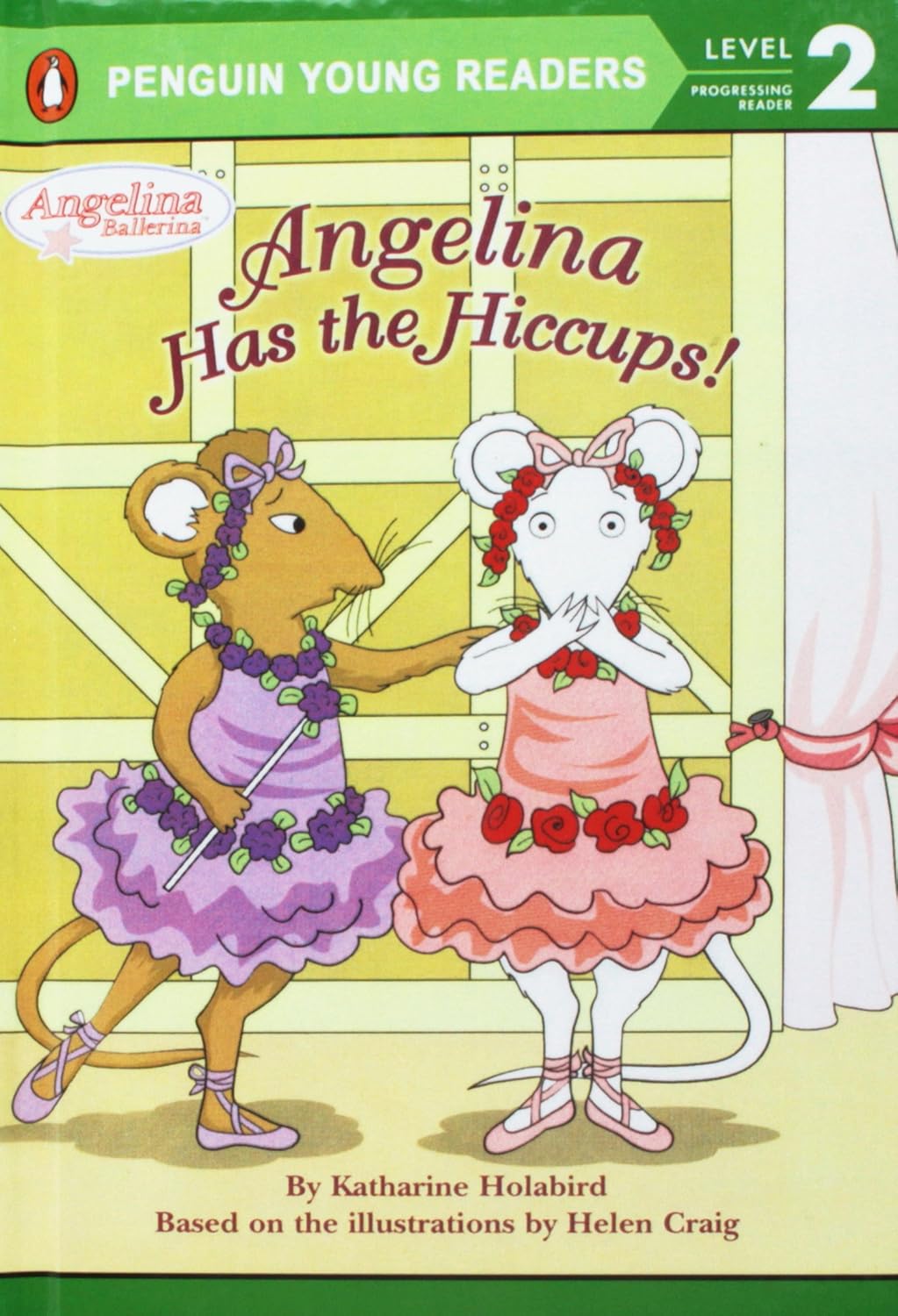
Angelina Has the Hiccups! (All Aboard Reading. Station Stop 1 ...

“Angelina Has the Hiccups!” is part of the “Angelina Ballerina” series of children’s books. It is written by Katharine Holabird and based on illustrations by Helen Craig. This book is a Level 2 reader from Penguin Young Readers.

This is a cute ballerina story and has some similarities to my own children’s book, “The Triplet Ballerinas”. Just like triplet sisters, Annie, Julie and Macie, love to go to the “Dance Studio” for their ballet class every Thursday, Angelina and her best friend, Alice, love to go to ballet school every week (at “Miss Lilly’s” in this story). One day, Miss Lilly announces the class will give a performance of a dance called “The Flower Princesses and the Dragon”. Angelina and the other “mouselings” are the flower princesses. Again, just like Macie and Annie in “The Triplet Ballerinas”, they twirl and leap across the room (but no one “floats” in this story like Julie does). On the day of the show, Angelina is so excited, she gets the hiccups. Will everyone be able to stop them in time or will Angelina be a “hiccuping ballerina”? Beverly

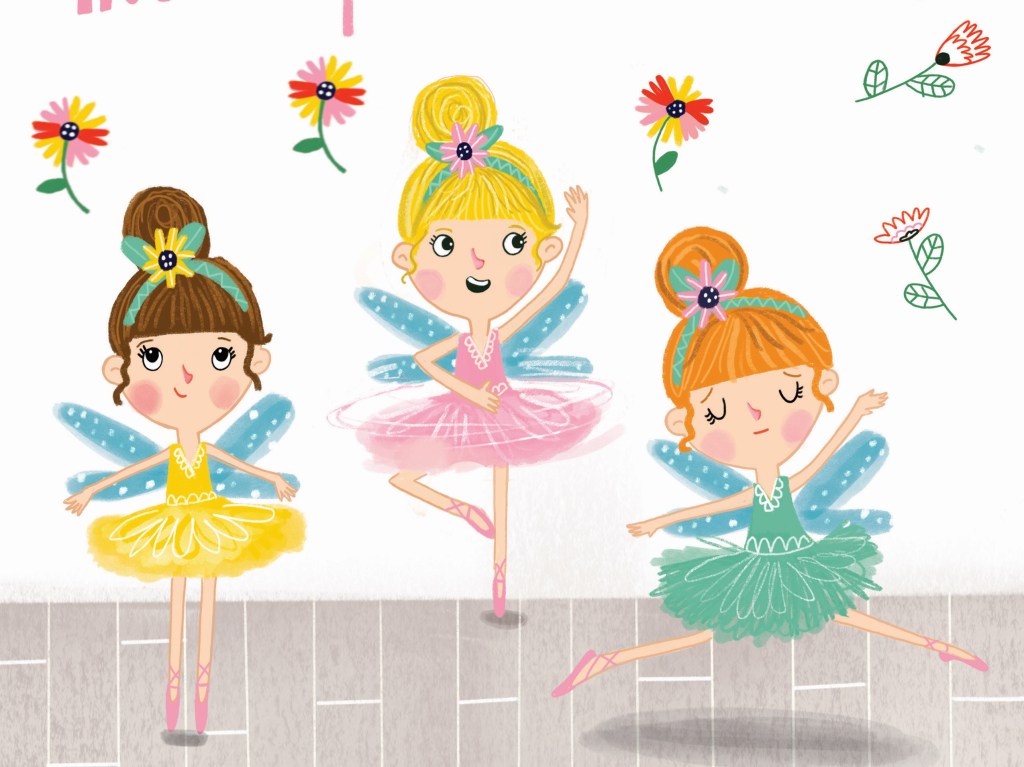
Ballerinas: Ballon (A Triplet Ballerina Float)  

In “The Triplet Ballerinas”, brown-haired Julie’s ballet move is “floating”-so lightly she sometimes floats off her feet! In ballet, ”ballon” (French for balloon) describes a ballerina who appears to be floating in the air (or suspended in the air) while performing movements during a jump. It may seem as though the dancer effortlessly becomes airborne, floats in the air and lands softly.

Ballon is also a term used to describe the quality of a dancer’s jumps or a dancer’s “bounce” before they jump. Ballerinas aspire to develop “great ballon”, which is that quality of appearing to hover in the air at the apex of the jump. Dancers try to achieve ballon in large jumps as well as in small, quick jumps. Ballon does not refer to the height of the jump though. Beverly

Ballerinas: Pirouette (A Triplet Ballerina Twirl)

One of the best-known turns in ballet is called a “pirouette”. Pirouette is French for “to whirl about” and is one of the most difficult of all dance steps. To execute a pirouette, the ballerina must make a complete turn around herself while balancing on one leg. She may also turn in place or spin around fast while balanced on the points of her toes (“en pointe“). Typically, in a pirouette, the raised foot is touching the knee of the supporting leg. This turn can also be done with different arm and leg positions.

A pirouette can also be called “twirling”, which is what I called it in “The Triplet Ballerinas”. Twirling was Macie’s specialty (“Macie….twirled back and forth”). Macie was also known to twirl “fast” (always on one leg of course!). Beverly

Ballerinas: Jeté (A Triplet Ballerina Leap)

Photo by Budgeron Bach on Pexels.com

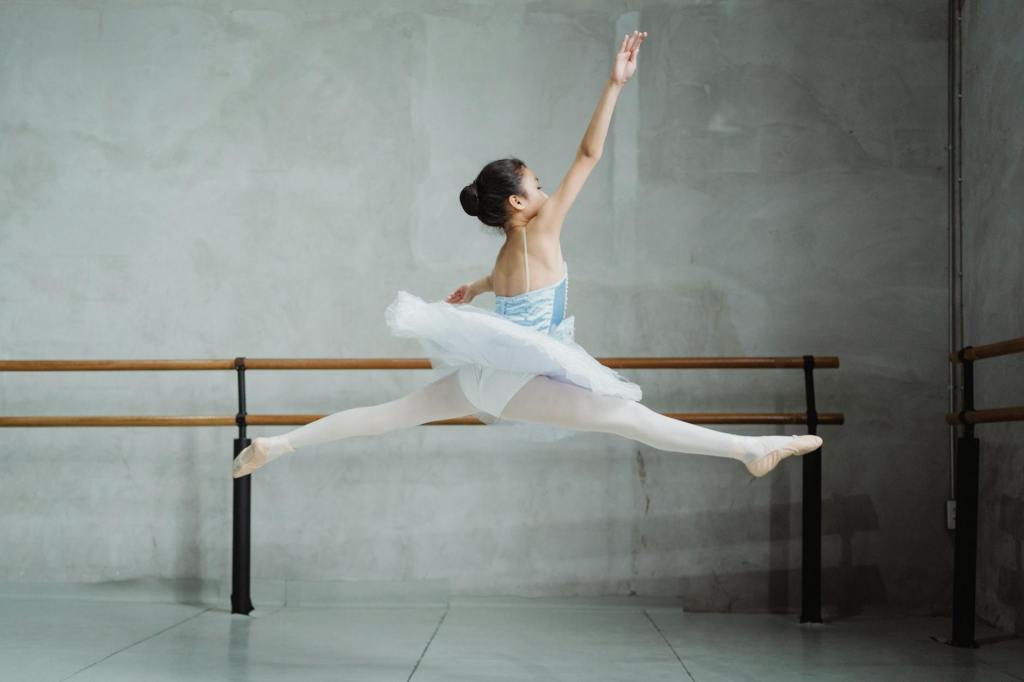
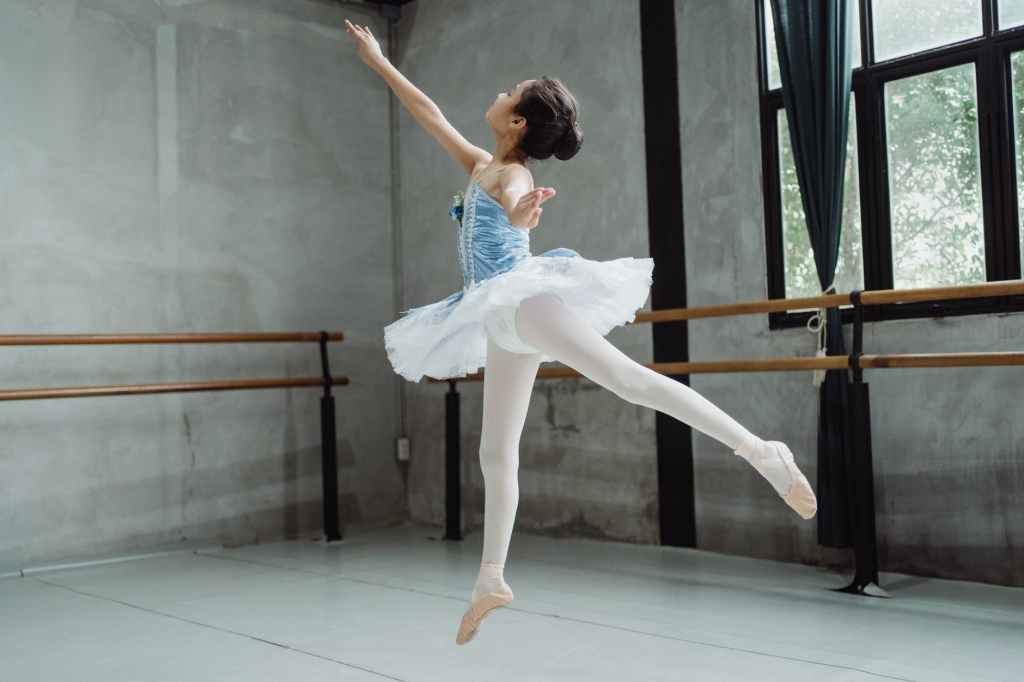
In “The Triplet Ballerinas”, red-haired Annie’s ballet move is leaping-sometimes high! Leaping seemed to fit her personality. A leap (or jump) in ballet is called a jeté, which is a leap in which the weight of the dancer is transferred from one foot to the other. The most common leap is called a grand jeté (which is usually a step for advanced jumpers). This is a long horizontal jump starting from one leg and landing on the other. To make a jump even higher, the dancer lifts her head and arms and looks toward her high arm.

Some other leaps are the switch leap (this one starts like a grand jeté and then switches in the air), tour jeté (this is a turning leap), straddle leap (a Russian leap mostly found in jazz dance), supported leaps (this is one where a dancer uses a partner to help her get off the ground or to catch her at the end of a leap) and a pas de chat (this is a small leap performed directly to the front of the stage). Beverly

A Ballerina Book: “Everybunny Dance!”

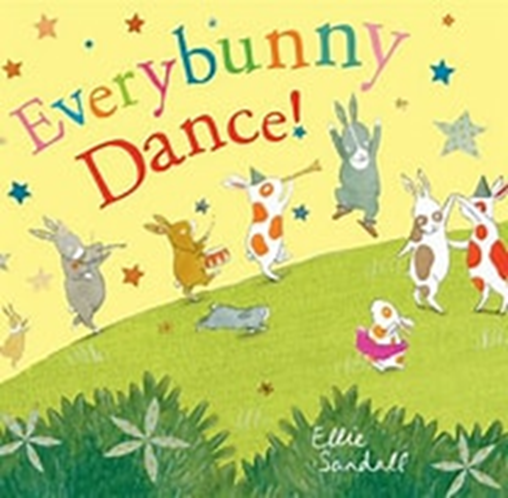
“Everybunny Dance!” is a children’s picture book written and illustrated by Ellie Sandall. It was published in 2017 by Margaret K. McElderry Books, Simon & Schuster.

This is a cute bunny story about “everybunny” dancing: “run and jump and dance and play, all together, every day!” It is a rhyming story with detailed, beautiful illustrations. The words may be sparse on some of the pages, but I do love the sprinkle of ballet words. Beverly

Ballerinas: Arabesque

Photo by Jansel Ferma on Pexels.com

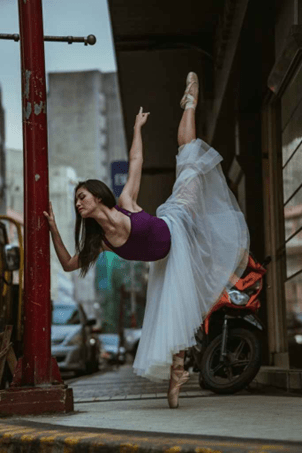
The arabesque (air-uh-BESK) is one of the most beautiful and graceful positions a ballerina can create in ballet. The dancer makes straight lines with her legs and arms. Her body is supported on one leg while the other leg is extended horizontally backward. The standing leg can be either straight or bent, but the back leg must always be straight, either on the ground or raised in the air.

There are several different versions of arabesque that are defined by the position of the dancer’s arms. In first arabesque, the arm that is on the same side as the supporting leg is extended out in front of her body with the other arm extended on the side or towards the diagonal back. In second arabesque, the arm that is on the same side as the back leg is extended out in front of her body and the arm on the side of the supporting leg is to the side or diagonal back. In third arabesque, a dancer has both arms extended in front of her body with the arm on the same side as the supporting leg slightly higher than the other so that the hand is anywhere between the top of her head to a foot above her head.

The ballerina can always achieve a good arabesque by remembering to turn out her legs and feet, stretch her legs, point her toes, and keep her stomach muscles strong. Beverly

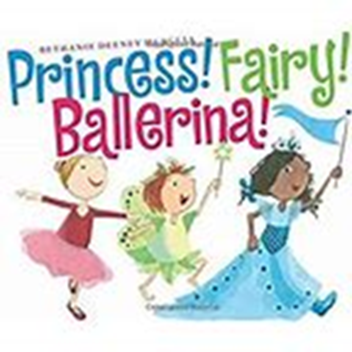
A Ballerina Book: “Princess! Fairy! Ballerina!”

“Princess! Fairy! Ballerina!” is a children’s picture book written and illustrated by Bethanie Deeney Murguia. It was published in 2016 by Arthur A. Levine Books, an imprint of Scholastic Inc.

This is a cute story about three friends who gather on a rainy day to figure out what they want to do. It is told from the point of view of all three friends. One wants to play “princess” because they are royal. One wants to play “fairy” because fairy dust means magic spells. One wants to play “ballerina” because ballerinas can be beautiful snowflakes or graceful swans. The illustrations in this book are so detailed and beautiful. Beverly

Ballerinas: Ballon

In ballet, ”ballon” (French for balloon) describes a dancer who appears to be floating in the air (or suspended in the air) while performing movements during a jump. It may seem as though the dancer effortlessly becomes airborne, floats in the air and lands softly. Dancers try to achieve ballon in large jumps as well as in small, quick jumps. Ballon can also be used to describe a dancer’s “bounce” before they jump.

Some characteristics of a dancer with good ballon are: “springy” (the dancer’s jump has a springy quality); “effortless” (the dancer appears to effortlessly become airborne and float in the air); “strength” (the dancer has enough strength to maintain their position in the air) and “quick muscle engagement” (the dancer is quick to engage their muscles). Beverly

A Ballerina Book: “Beautiful Ballerinas”  

“Beautiful Ballerinas” is by Elizabeth Dombey and illustrated by Shelagh McNicholas. It was published in 2014 by Grosset & Dunlap/Penquin Group.

This is a small, hardcover book full of a mixture of photographs and illustrations. It tells of what the life of a ballerina might be like, starting with their early training. It also shows positions of ballet, ballet exercises and center floor work. There is also a page all about a ballerina’s pointe shoes. Throughout the book are many ballet terms that are explained in an easy-to-understand fashion. At the end of the book is pictures and texts that tell the history of ballet. This would be a very interesting book for any ballet and ballerina lovers. Beverly