Skip to content

Posts from the ‘Uncategorized’ Category

Ballerinas: Training

Photo by Gustavo Fring on Pexels.com

Female ballerinas usually start formal ballet training between the ages of 6 and 8 if they want to become professional ballerinas. It is not as easy as it looks since they must be willing to dedicate a lot of time to it. Regular practice and ballet classes are the first steps to achieving this goal along with eating healthy and drinking a lot of water. The ballerina should also watch the performances of other dancers to see what might influence her own style. The more the ballerina learns and exposes herself to, the better she is going to be.

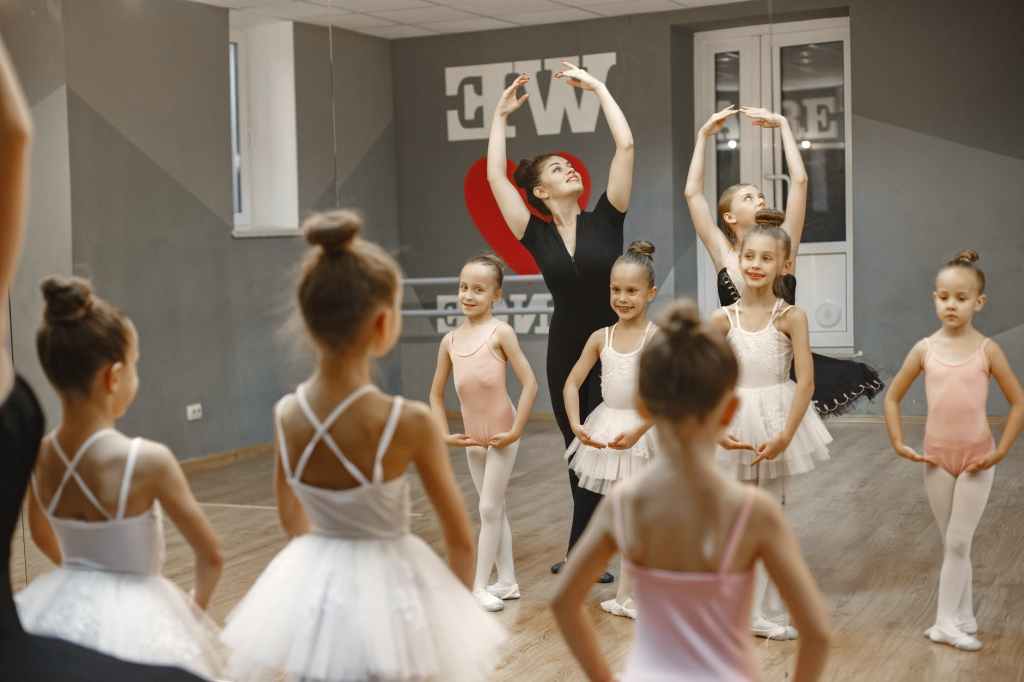
Most ballet dancers begin their ballet classes at the barre which is used to support themselves during exercises. Barre work prepares the dancer for center work where they move to the middle of the room. Center work starts out with slower exercises and then leads up to faster exercises and larger movements. It ends with practicing big leaps across the floor. Even when ballerinas are hired by a professional company, they still attend ballet classes and train to keep themselves very athletic and fit for their performances. Beverly

A Ballerina Book: “Glad, Glad Bear!”

“Glad, Glad Bear!” is a children’s picture book by Kimberly Gee. It was published in 2020 by Beach Lane Books, an imprint of Simon & Schuster.

This is a cute book about a little boy bear who puts on a pink tutu with black leggings and becomes very excited to go to his first ballet class. He feels a little different and shy at first until the music starts. The author makes good use of the few words that are on most of the pages; some pages are even on a simple white page with just a few words (“Today is dance day.”) and then an illustration/text or just an illustration on the page before or after. I loved the illustrations; they are very colorful. Beverly

Ballerinas: Battements

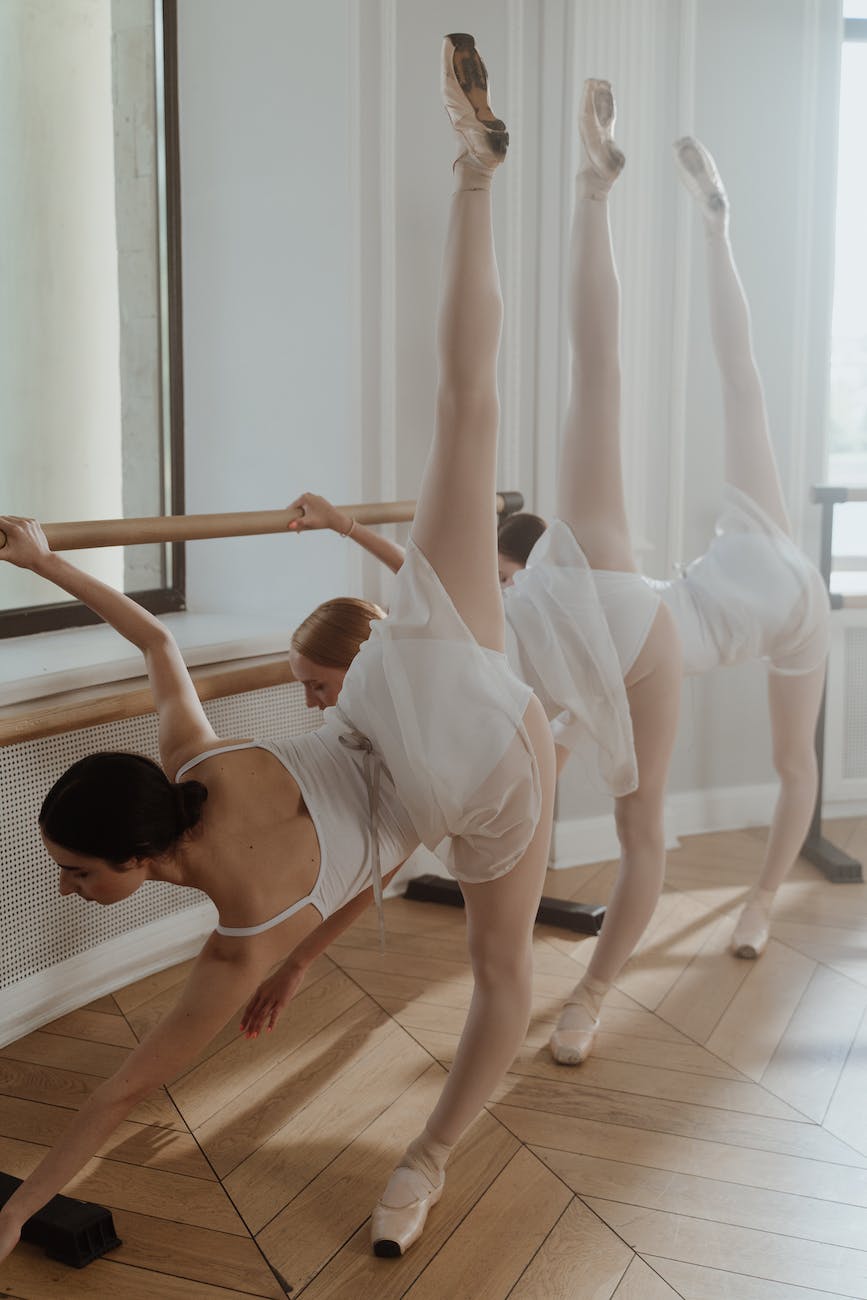
Battement (“beating”) in ballet is a movement in which the foot is extended in any direction usually followed by a beat against the supporting foot. One leg is moved outward from the body and then in again, alternating side to side of the working leg. Battements are typically performed in multiples, quickly and in rapid succession, so that the working foot appears to be fluttering. They are usually executed in front to the side or back.

Battement exercises help to train the dancer’s legs and feet to hold positions and jump high. Some of these exercises are: The slow battement tendu (“stretched”) where the toes point but stay on the ground. The quicker battement glisse’ (“slide”) where the foot quickly slides out to a pointed position just off the ground. The grand battement (“big”) where the dancer’s leg swishes through tendu and glisse‘ to a high position. Also, pushing both feet against the floor as the dancer opens and closes her leg will give her strong insteps and toes and help her get ready for pointe work. Beverly

A Ballerina Book: Angelina Ballerina – “Angelina’s Best Friend Dance”

“Angelina’s Best Friend Dance” is a book in the “Angelina Ballerina” series of children’s books. This book was inspired by “Angelina Ballerina” author Katharine Holabird and illustrator Helen Craig. It was published in 2015 by Grosset & Dunlap, Penguin Young Readers Group.

“Angelina’s Best Friend Dance” is a cute story about best friends who love to dance together. I was excited to find so many similarities in this book to my children’s book, “The Triplet Ballerinas”. In this book, Angelina Ballerina is excited. Spring has arrived and Angelina is twirling and leaping outside in the sunshine. She is looking forward to the upcoming “Spring Dance Recital” (in “The Triplet Ballerinas”, triplet sisters, Annie, Julie and Macie, are excited for the “Spring Ballet Show”). Angelina ends up getting the lead role in the recital and her friend, Alice, is her understudy. They decide to just have fun with their shared role and practice every day for the recital. “Look how high I can leap!” cries Angelina. “And watch how fast I can twirl,” says Alice. I love how these familiar words are sprinkled throughout this book just like in “The Triplet Ballerinas”. Beverly

Ballerinas: Port de bras

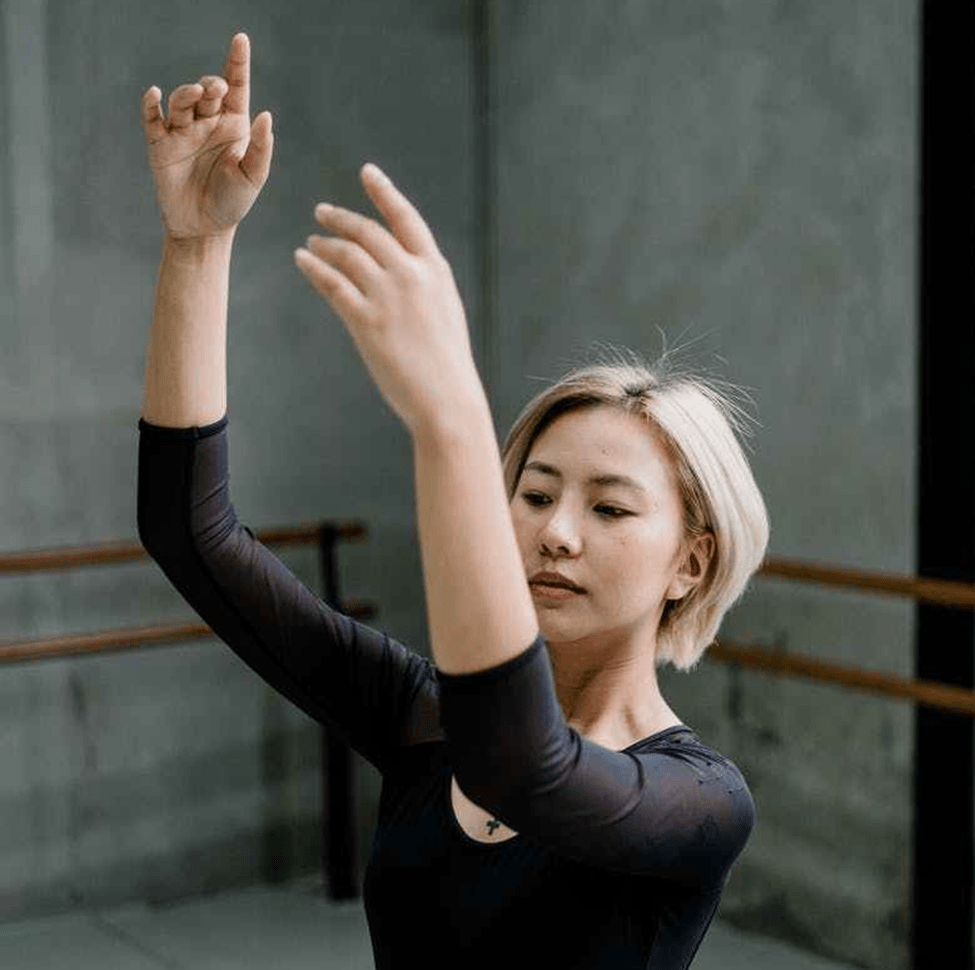
Port de bras (pawr duh –bra) or ports de bras (French for “carriage of the arms”) is a classical ballet term describing the movement of the arms. It is the way a dancer holds and uses her arms from one position to another. A beginning ballerina may first practice her port de bras at the barre before she moves to the center of the room.

In a proper port de bras, a dancer will move her arms from her back and shoulders while trying to move as smoothly as possible. In classical ballet, the arms are never fully straight. In contemporary ballet, port de bras generally always look coordinated with the lower half of the body and still look balletic in nature (no excess tension in the arms). The term “port de bras” also includes the position and movement of the head in relation with the arms. A “grand port de bras” is when a dancer bends while moving their arms. Beverly

A Ballerina Book: Pinkalicious Tutu-rrific

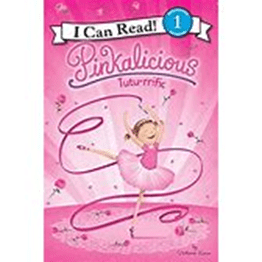
Pinkalicious Tutu-rrific is an “I Can Read!” book (Level 1-beginning reading). It was published in 2014 by HarperCollins Publishers. It was written by Victoria Kann and Elizabeth Kann with illustrations by Victoria Kann.

Pinkalicious is excited to start her beginner class of ballet in her, of course, pink tutu. She accidentally goes to the advanced class instead of the beginner class though. “I took a deep breath and twirled and whirled and spun around.” This was a cute book full of ballet. The illustrations were colorful (especially all the different colors of tutus), and the words would be easy to read for a beginner reader. Beverly

Ballerinas: Preparation

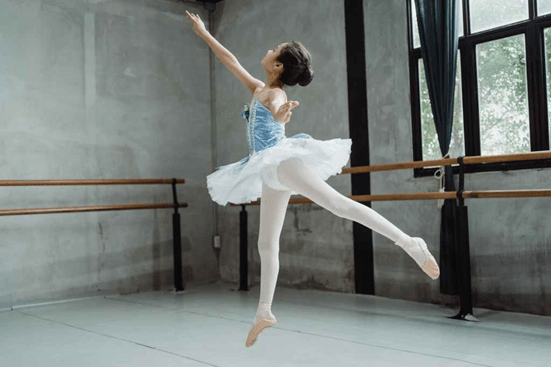
Photo by cottonbro studio on Pexels.com

It takes many hours of preparation for a ballerina to get ready for a performance. The ballerina will try out lots of hairstyles, hair accessories and makeup. Each performance needs a different costume and a hairstyle that is neat and tidy. Some performances may require a headdress or tiara that will need to be fixed in place whenever the ballerina practices so that she gets used to wearing it. This also keeps it from dropping off her head during the performance when she is doing fast moves such as pirouettes. Even the ballerina’s makeup should be styled in a different way for each performance. Ballerinas wear makeup on stage so that the audience can see their faces clearly-a little bit of makeup on the eyes, lips and cheeks will make the ballerina’s face clear under the bright lights.

The ballerina should get a good night’s sleep the last few nights before a performance. When she arrives at the studio for practice, the ballerina should turn everything else off but dancing which will be good practice for managing emotions when she needs to perform onstage. This is also a good time to release any stress she is feeling about performing. The ballerina needs to always warm up her muscles before practice or a performance to prevent a strain or injury. Finally, some suggestions for food for a few of the ballerina’s meals: Dinner (day before performance): Chicken with potatoes and vegetables (lots of protein that will help her regain strength). Breakfast (day of performance): Oatmeal with fruit and nuts. Beverly

A Ballerina Book: Angelina Ballerina – “Angelina and the Tummy Butterflies”

“Angelina and the Tummy Butterflies” is another book in the “Angelina Ballerina” series of children’s books. This book was inspired by “Angelina Ballerina” author Katharine Holabird and illustrator Helen Craig. It was published in 2013 by Grosset & Dunlap, Penguin Young Readers Group.

Just like my children’s book, “The Triplet Ballerinas”, “Angelina and the Tummy Butterflies” opens with the words, “One (beautiful) spring day…”. On the way to dance class, Angelina and her friend, Alice, are practicing the poems they must memorize for the next day. Alice keeps forgetting the words to her poem though and even their jazz dance class doesn’t take Alice’s mind off thoughts of her poem. After class, Alice is still nervous, and Ms. Mimi, their dance teacher, tells Alice about the “tummy butterflies” she gets when she is nervous. This doesn’t help Alice, she is still nervous, but it does give Angelina a great idea that involves a butterfly jazz dance. “Angelina and the Tummy Butterflies” is more a book about jazz dancing rather than ballet, but I love any kind of dancing in a children’s picture book. I also love the snapshot illustrations of Angelina and her friends that are so vivid and lifelike in this book. Beverly

Ballerinas: Positions

Photo by Gustavo Fring on Pexels.com

All the movements in ballet come from five positions. The basic ballet positions for arms and feet are simply known as “First Position”, “Second Position”, “Third Position”, “Fourth Position” and “Fifth Position”. All basic ballet moves start from and end in one of these five positions or a slight variation of. For the ballerina:

First Position: Hold your arms in a circle in front of your ribs and turn your legs out from the top of your legs down to your heels. This is the easiest ballet position for the feet. Second Position: Open your arms to a rounded position with the hands lower than the shoulders and with a space between your feet as wide as your hips. Make sure your legs are still turned out. The position of your feet is similar to “First Position” except your feet are farther apart. Third Position: One arm stays in “Second Position” and the other arm moves to “First Position”. Your legs should be together with the front foot halfway across the back foot. This position is a bit difficult for beginners to perform. Fourth Position: Lift the front arm into a round position over your head. Slide the front foot forward so there is a space between your legs. Fifth Position: Move both arms in a circle above your head. The fingers on both hands don’t touch each other. Cross your front foot so only the big toe of the other foot can be seen and the feet are touching. This one is the most widely recognized position in ballet. Beverly

A Ballerina Book: Angelina Ballerina – “Angelina’s Pet”

“Angelina’s Pet” is a book in the “Angelina Ballerina” series of children’s books. It was published in 2015 by Grosset & Dunlap, Penguin Young Readers Group.

One day when Angelina and her best friend, Alice, are walking home from ballet class, they see a bird in the park that Angelina thinks would make a great pet. She rushes home to ask her mom if she can get a pet and her mom says she thinks she is old enough for the responsibility of a pet and to think of what kind of pet she would like. When Angelina sees a butterfly, she remembers the butterfly dance she did at ballet school and thinks the butterfly would make a great pet. She follows it everywhere until the butterfly flutters away. Will Angelina ever find the right pet? This was a cute story. I love the sprinkle of ballet terms throughout this book and how colorful the illustrations are. Beverly